
Table of Contents
- Introduction to Orthodontics
- Benefits of Orthodontic Treatment
- Types of Orthodontic Treatments
- Traditional Braces
- Invisalign: Invisible Aligners
- Damon Braces: Fast & Painless Treatment
- Retainers for Smile Maintenance
- Orthodontics for Different Age Groups
- Children
- Teenagers
- Adults
- Special Orthodontic Treatments
- Sleep Apnea Treatment
- TMJ Disorder Treatment
- The Orthodontic Treatment Process
- Post-Treatment Care & Maintenance
- Conclusion
Introduction to Orthodontics
Orthodontics is a specialized branch of dentistry that corrects misaligned teeth and jaw structures. It focuses on diagnosing, preventing, and treating dental irregularities to improve both oral functionality and aesthetics.
Benefits of Orthodontic Treatment
- Improved Oral Health: Straight teeth are easier to clean, reducing the risk of cavities and gum disease.
- Better Chewing & Speech: Correcting misaligned teeth improves bite function and speech clarity.
- Enhanced Appearance: Properly aligned teeth boost confidence and create a more attractive smile.
- Prevention of Future Dental Issues: Early orthodontic care prevents more serious dental problems later in life.
Types of Orthodontic Treatments
Traditional Braces
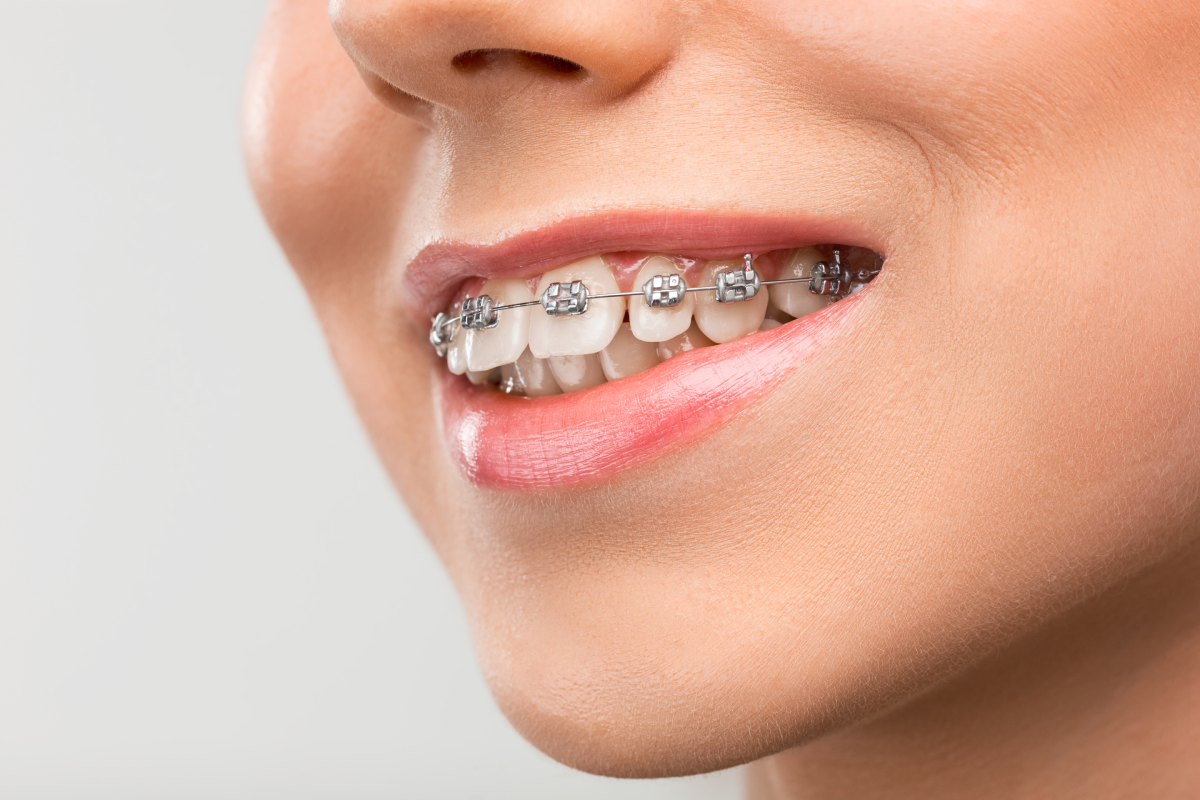
Braces use metal or ceramic brackets and wires to gradually move teeth into their proper positions. They are highly effective for severe misalignments.
Invisalign: Invisible Aligners
Invisalign offers a discreet way to straighten teeth using clear, removable aligners. It is a popular choice among adults and teenagers who want an aesthetically pleasing treatment option.
Damon Braces: Fast & Painless Treatment
Damon braces use self-ligating technology, reducing treatment time and discomfort compared to traditional braces. They allow for natural movement of teeth without frequent adjustments.
Retainers for Smile Maintenance
After orthodontic treatment, retainers help maintain teeth alignment and prevent them from shifting back.
Orthodontics for Different Age Groups
Children
Early orthodontic intervention can help correct bite issues before they worsen, ensuring proper dental development.
Teenagers
Teenagers often opt for traditional braces or Invisalign to achieve a straighter smile during their developmental years.
Adults
It is never too late to improve your smile. Many adults choose Invisalign or Damon braces for a discreet and effective treatment.
Special Orthodontic Treatments
Sleep Apnea Treatment
Orthodontic appliances can help manage sleep apnea by repositioning the jaw and opening the airway.
TMJ Disorder Treatment
Orthodontic treatments, such as bite correction and jaw alignment, can help relieve temporomandibular joint (TMJ) disorders.
The Orthodontic Treatment Process
- Consultation: Initial assessment and discussion of treatment options.
- Diagnosis: Digital scans and X-rays help create a personalized treatment plan.
- Treatment Implementation: Application of braces or aligners.
- Regular Check-Ups: Adjustments and monitoring of progress.
- Completion & Retention: Removal of braces and use of retainers.
Post-Treatment Care & Maintenance
- Maintain good oral hygiene with regular brushing and flossing.
- Wear retainers as advised by your orthodontist.
- Schedule regular dental check-ups for long-term smile maintenance.
Conclusion
Orthodontic treatments are essential for improving both dental health and appearance. Whether through braces, Invisalign, or specialized treatments like sleep apnea and TMJ care, modern orthodontic solutions provide a lasting impact on your smile and overall well-being.