
Table of Contents
- Introduction to Laser Dentistry
- Benefits of Laser Dental Treatment
- Common Laser Dental Procedures
- Laser Gum Reshaping & Contouring
- Cavity Treatment & Tooth Sensitivity Relief
- Laser Teeth Whitening
- Oral Surgery & Soft Tissue Treatments
- How Laser Dentistry Works
- Comparison: Traditional vs. Laser Dental Treatments
- Safety & Effectiveness of Laser Dentistry
- Post-Treatment Care & Recovery
- Conclusion
Introduction to Laser Dentistry
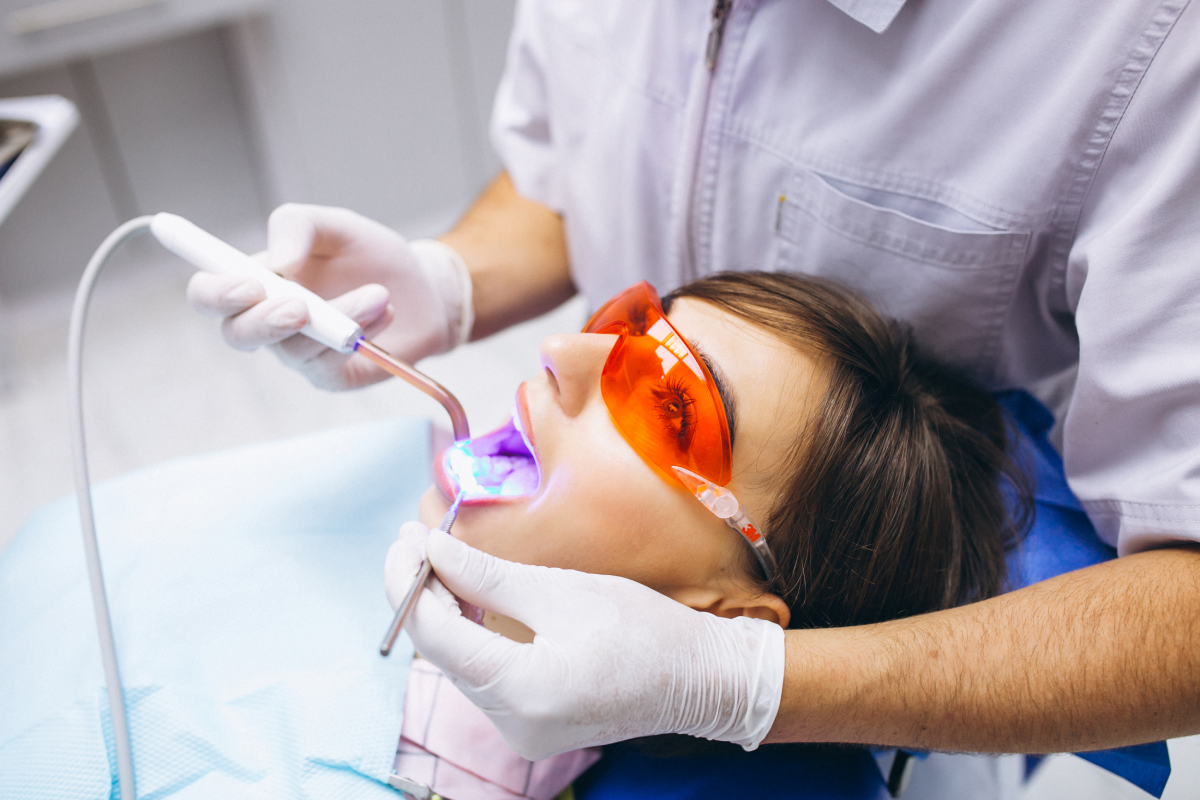
Laser dental treatments use highly focused light beams to perform precise dental procedures with minimal discomfort. This modern technology enhances patient experience by reducing pain, bleeding, and recovery time.
Benefits of Laser Dental Treatment
- Minimally Invasive: Reduces the need for drills and anesthesia.
- Painless Procedures: Less discomfort and faster healing.
- Precise & Efficient: Targets specific areas without affecting surrounding tissues.
- Reduced Risk of Infection: Laser sterilization minimizes bacterial infections.
- Faster Recovery Time: Patients experience minimal swelling and bleeding.
Common Laser Dental Procedures
Laser Gum Reshaping & Contouring
Laser technology helps correct excessive gum tissue, providing a balanced and aesthetically pleasing smile.
Cavity Treatment & Tooth Sensitivity Relief
Laser treatment removes decay and seals cavities without the need for traditional drilling, reducing sensitivity.
Laser Teeth Whitening
Laser-assisted teeth whitening offers faster and more effective results compared to traditional whitening methods.
Oral Surgery & Soft Tissue Treatments
Laser procedures are used for gum disease treatment, frenectomies, and removing oral lesions with minimal pain and bleeding.
How Laser Dentistry Works
Dental lasers operate by emitting concentrated light beams that precisely cut or reshape soft and hard tissues. Different wavelengths target specific dental concerns, making treatments highly effective.
Comparison: Traditional vs. Laser Dental Treatments
| Aspect | Traditional Treatment | Laser Dentistry |
|---|---|---|
| Pain & Discomfort | Higher | Minimal |
| Healing Time | Longer | Faster |
| Anesthesia Requirement | Often required | Rarely needed |
| Bleeding & Swelling | Common | Minimal |
| Risk of Infection | Higher | Lower |
Safety & Effectiveness of Laser Dentistry
Laser dentistry is a safe and FDA-approved treatment method. It is highly effective for a variety of procedures, reducing complications and improving patient comfort.
Post-Treatment Care & Recovery
- Maintain good oral hygiene to prevent infections.
- Avoid consuming hot or spicy foods immediately after treatment.
- Follow post-procedure care instructions provided by the dentist.
- Schedule follow-up visits for monitoring and assessment.
Conclusion
Laser dentistry is revolutionizing modern dental care, offering precise, painless, and efficient treatments. Whether for gum reshaping, cavity treatment, or teeth whitening, laser technology enhances patient experience and ensures long-lasting oral health.